How to make your game pop on Steam
What happens if nobody clicks?
Here’s the deal, sweethearts. Nobody wakes up in the morning and tells themselves, “I hope my stupid game will fail miserably“.
Sure, maybe you don’t expect it to be the next Clair Obscur: Expedition 33, Baldur’s Gate 3, the next Fortnite.
But deep down… you still want some confirmation that you did something that a few people might enjoy.
Right?
And in all honesty, you likely won’t get even that.
Just picture this for a second: over 20,000 games were released last year, according to Gamalytic.
Over 20,000 dev teams and solo devs pushed the magic button that published their game into the world.
Wanna know how many of those 20,000 made less than $1,000 in revenue?
A little over 12,500.
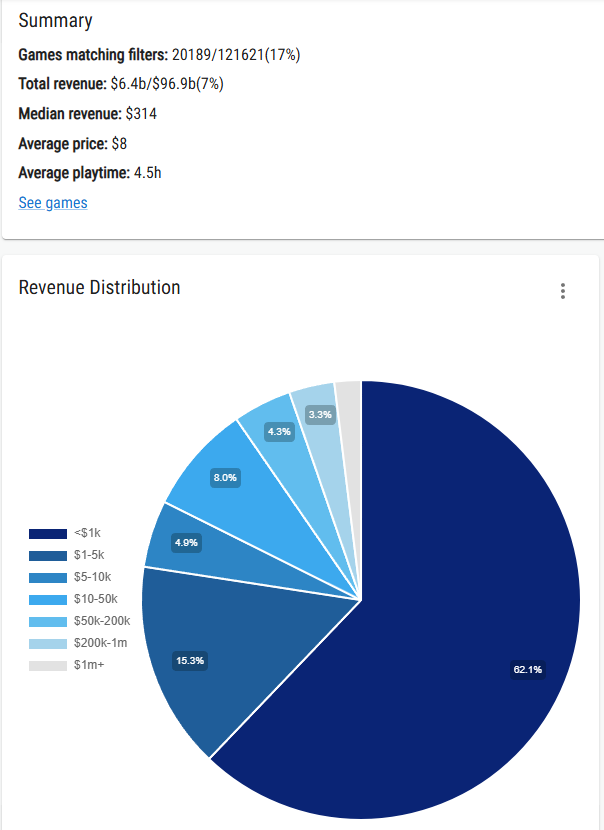
Revenue distribution of Steam games in 2025, Source: Gamalytic
Wanna know how many of those games sold fewer than 100 copies?
About 8,000.
“Why bring all this up? I thought you were an outsourcing art studio."
Yes, we are. But our job starts long before your players even see the amazing world we’ve helped you build in-game.
The first things that we create and people see are your marketing assets.
What do players come across when they first check your game on Steam?
Your capsule art.What’s the first video that plays on the Steam page?
Your trailer.What are people going to see as they scroll down to the game’s description?
The fancy content they can get if they pre-order or buy premium editions.
Whether you want to admit it or not…
The first touch-point for most players will be visual.
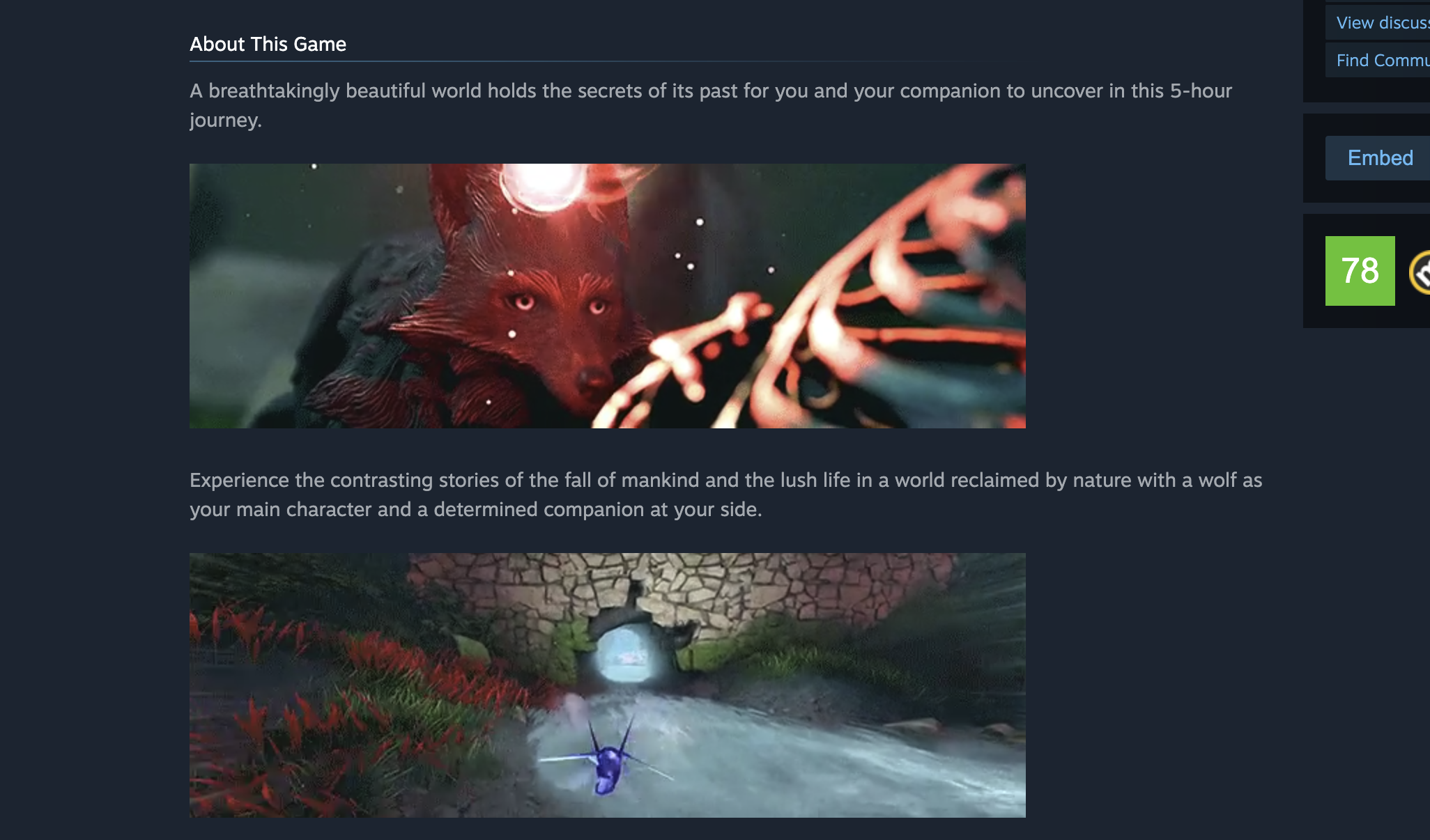
If none of that makes them say: “I want this!", then it’s game over.
They won’t buy your game.
They won’t share it with other friends because they think it’s cool.
And just like that, you’ve lost potential customers because you failed to make a good impression.
How can you solve that?
Keep reading and we’ll tell you what you need to know.
The tricks behind Steam Capsule Art
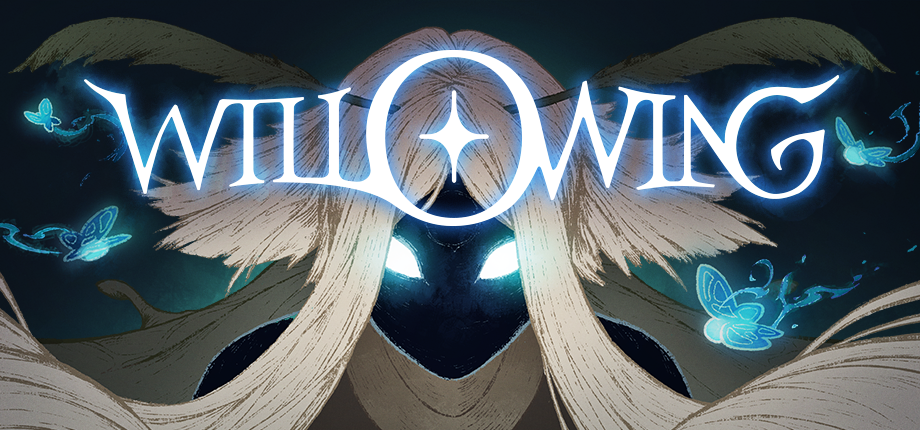
You might think of Steam capsules as some simple cropped artwork.
But here’s what you might not realize, my lovelies:
They need to work on screens of different sizes.
They need strong contrast that sets the visuals apart.
They need readable logos that don’t confuse your players.
They need a clear visual hierarchy.
This way, players get hooked by the most important element.
Then they gradually discover the other details that tell a story.
Failing to grab their attention will make them scroll past your title as they browse through the Store page.
Or maybe they’re checking their Discovery Queue and they’ll press “Next”.
Or maybe they’re checking the “More Like This" section and move right past your game.
There are many ways to create cute capsules that fail to make players click on them.
But creating capsules that instantly capture their attention.
That’s where the work of an artist comes in.
Remember those generic cinematic trailers?
Me neither.
It doesn’t take a genius to understand that boring cinematic trailers ain’t it anymore.
Shoving a bunch of gameplay sequences and praying that it works is… not ideal either.
And believe it or not, your trailer takes the biggest chunk of space on your Steam page.
So you might as well take advantage of it.
Instead of thinking about what you want to show…
Tell a story that your players can fall in love with.
Balance out the gameplay that you can share and the cinematic sections.
Create something memorable.
Think three steps ahead
Pimping your Steam page with the assets that draw the most attention is just the tip of the iceberg.
Many of these materials will be part of your press and influencer kits.
Many of them will be featured in the outreach e-mails sent to them.
In other words, you need to convince these folks that your game is worth covering.
How do we know that?
Let’s just say that the guy writing this has been a games journalist and influencer marketer for about 4 years now 😅

I can tell you that there are 5 main elements that I’m looking for when receiving a coverage offer via e-mail:
Steam Capsule/Key Art to get the vibe of the game and see if it hooks me.
Steam Page to check all the details about the game.
Trailer to play on the side and see if the gameplay speaks to me.
Ways to request a copy for coverage or interviews with the devs.
Press Kit with quality assets for my coverage.
To be completely honest with you, the rest of the e-mail is just unnecessary fluff that I barely read.
If those elements aren’t present or they look cheap and visually incoherent, I won’t bother.
Congrats! You’ve also learned what journalists are looking for when you reach out to them to feature your game.
Now it’s your turn to create those Steam assets that will impress players, content creators, and journalists alike.
Work with a proper artist.
Work with an outsourcing art studio.
Create something worthy of stopping people when they’re scrolling on Steam.