Professional Visual Development & Worldbuilding for AA & AAA Studios
Your game can easily turn into a visual mess for your players.
We help you solve that pain before it even appears.
Do you know why recent games have been struggling with their visuals?
It's not because their art is crap.
It's because there's no visual synergy across the board.
Your team's work could be infinitely easier if they had some sort of visual.... guide.
Like a cheatsheet that helps them understand the visual rules of your game.
That's where art studios like us come in.
We help you create a visual identity.
A visual language that your team can build upon.
Your environments, characters, props, UI, and marketing visuals could be totally fine on their own.
But what happens if they don't work well together?
Your players will be confused by the visual clutter and leave.
Is there a way to avoid that?
You bet.
We eliminate all the guesswork by clarifying everything regarding:
- Style & Mood
- World Logic
- Shape Language
- Materials & Architecture
- Faction & Character
A Strong Visual Direction Saves You MONEY & TIME.
Sure, you can keep producing assets without a clear visual direction.
But then every new character, building, prop, biome or marketing image becomes a separate decision.
And a separate problem to solve.
Sooner rather than later, your game will feel stitched together like Frankenstein's monster.
You'll feel that something is off.
Most importantly, your players will feel it, too.
Visual development gives your team a clear foundation before production scales up.
You'll be able to consistently create assets that look and feel good.
Because you won't have to constantly redesign them until your players are satisfied.
You'll understand what belongs in your world.
And what doesn’t.
What We Help You Define
Visual development is not just about making pretty concept art.
It’s about creating visual logic for your players.
Here's a comprehensive list about everything we tackle:
- the overall art direction
- the mood and emotional tone
- the visual rules of your world
- biomes, settlements, regions and landmarks
- characters, creatures, enemies and factions
- architecture, props, tools, weapons and materials
- shape language, proportions and silhouettes
- color, lighting and atmosphere
- style guides for internal or external production teams
- pitch, publisher or marketing visuals
How the Process Usually Works

1. Kickoff & Discovery
We look at your genre, audience, gameplay, story, references, production stage, and current visual problems.
The goal isn't to create random cool images.
It's to understand what the visuals need to solve.

2.
Exploration
We create moodboards, sketches, shape tests, visual studies and style lanes.
This helps you compare ideas before you commit to one expensive production path.
3.
Definition
Once the strongest direction becomes clear, we refine the visual rules behind it:
- What shapes belong in this world?
- What materials make sense?
- How should buildings, props, characters and environments relate to each other?
- What should the game feel like at first glance?

4.
Production Guidance
We turn the chosen direction into practical material your team can use:
- concept sheets
- key visuals
- callouts
- style notes or a compact direction guide.
This eliminates guesswork for your artists.
They'll create pieces that follow the same visual logic.
Game Art Cost Calculator
Relevant Experience
-
![A digitally created image of a wolf with a starry sky background and a glowing celestial body in the sky. The text on the image reads 'mooneyes' LOST EMBER.]()
Lost Ember - Art Direction & Visual Identity
Art direction for an award-winning indie game, shaping its emotional tone, natural world, visual identity and player-facing atmosphere from early development through release.
-
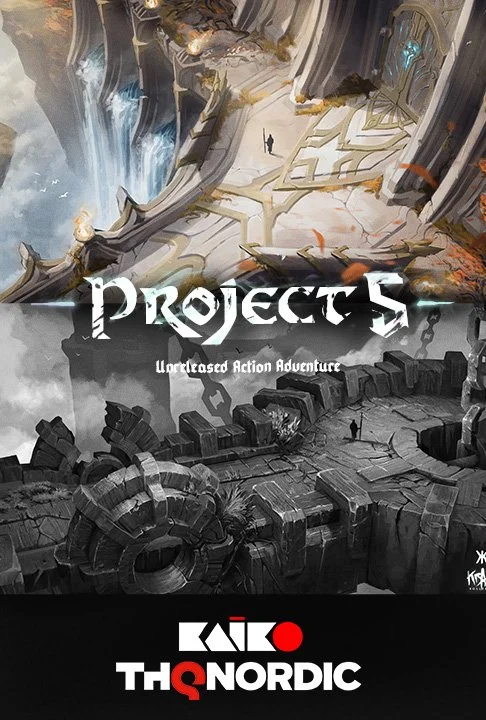
![Cover art for the game 'Project 5 Unreleased Action Adventure' by KAIKO Nordic, depicting a fantasy setting with a cityscape, ancient ruins, and glowing waterfalls.]()
Project 5 - Environment & Prop Design for a Dark Fantasy Action Adventure
Environment and prop design for an unreleased dark fantasy action adventure, focused on readable top-down spaces, strong atmosphere and production-ready worldbuilding.
-
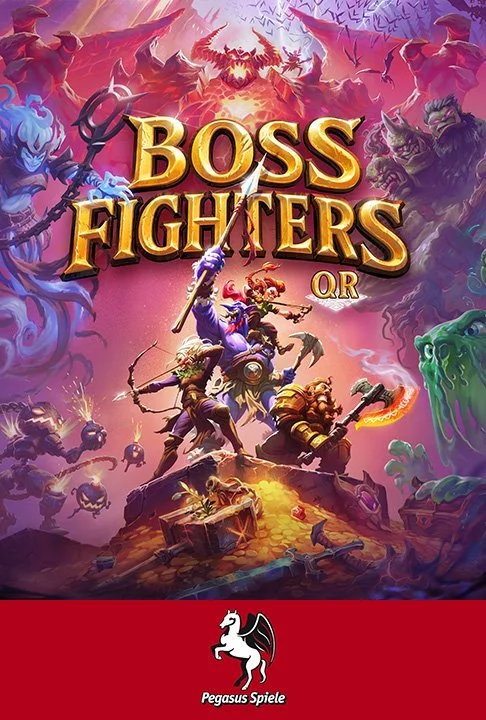
![Fantasy artwork featuring various warriors and mythical creatures in battle, with bold title text 'Boss Fighters' in gold letters, and a red banner at the bottom with a Pegasus logo and the words 'Pegasus Spiele'.]()
Boss Fighters QR - Cover, Logo, Character & Boss Concepts
Cover illustration, logo design, hero character concepts and boss designs for a hybrid board game built around app-powered card battles.
-
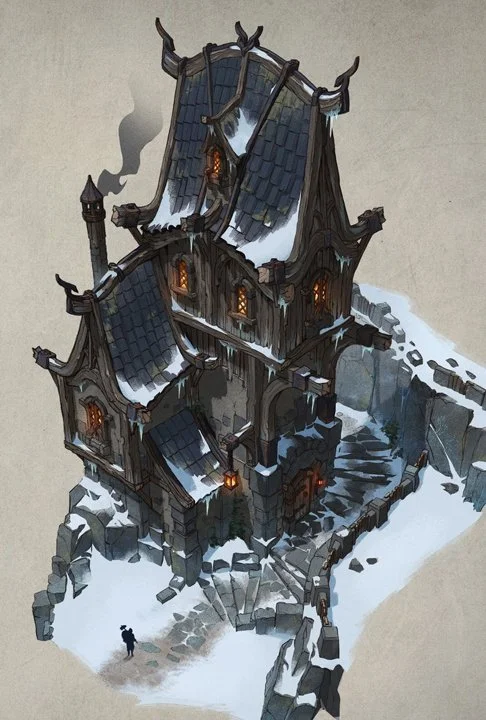
![An illustration of a spooky, dark castle with snow on the roof and ground, lit with orange windows, surrounded by rocky terrain and a person standing nearby.]()
Environment Art
Worldbuilding, biome exploration, settlements, landmarks and environmental concepts designed to make game worlds feel coherent, readable and memorable.
-
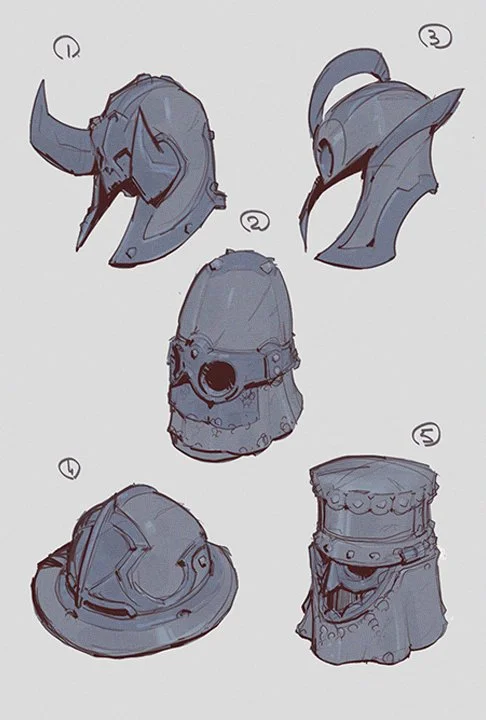
![Sketches of five different futuristic or fantasy-style helmets and masks, numbered 1 to 5.]()
Game Assets and Props
Prop, item, weapon, tool and object design that helps game worlds feel believable, functional and consistent with the overall visual direction.
-
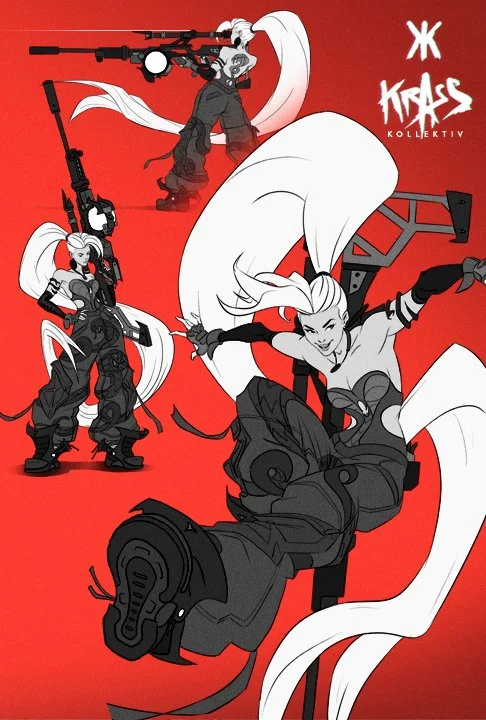
![Four stylized female characters with white hair and sharp features, dressed in combat outfits, holding guns, set against a red background with the text 'X KRA$S KOLLEKTIV'.]()
Character & Creature Design
Character, creature, enemy and faction design focused on strong silhouettes, clear visual roles and designs that support gameplay, story and production.