Game UI Design Studio for AA & AAA Interface, Logo & Graphic Design

Players judge a game before they fully understand it.
We help game studios turn UI and graphic design into a clear visual system. One that:
supports gameplay
strengthens the identity of the project
makes the game easier to understand, present, and sell.
That judgement often starts with the interface, the logo, the store page, and the first visual impression around the game. If these elements feel unclear, generic, or disconnected from the game world, even strong gameplay can look weaker than it actually is.
Logo Design
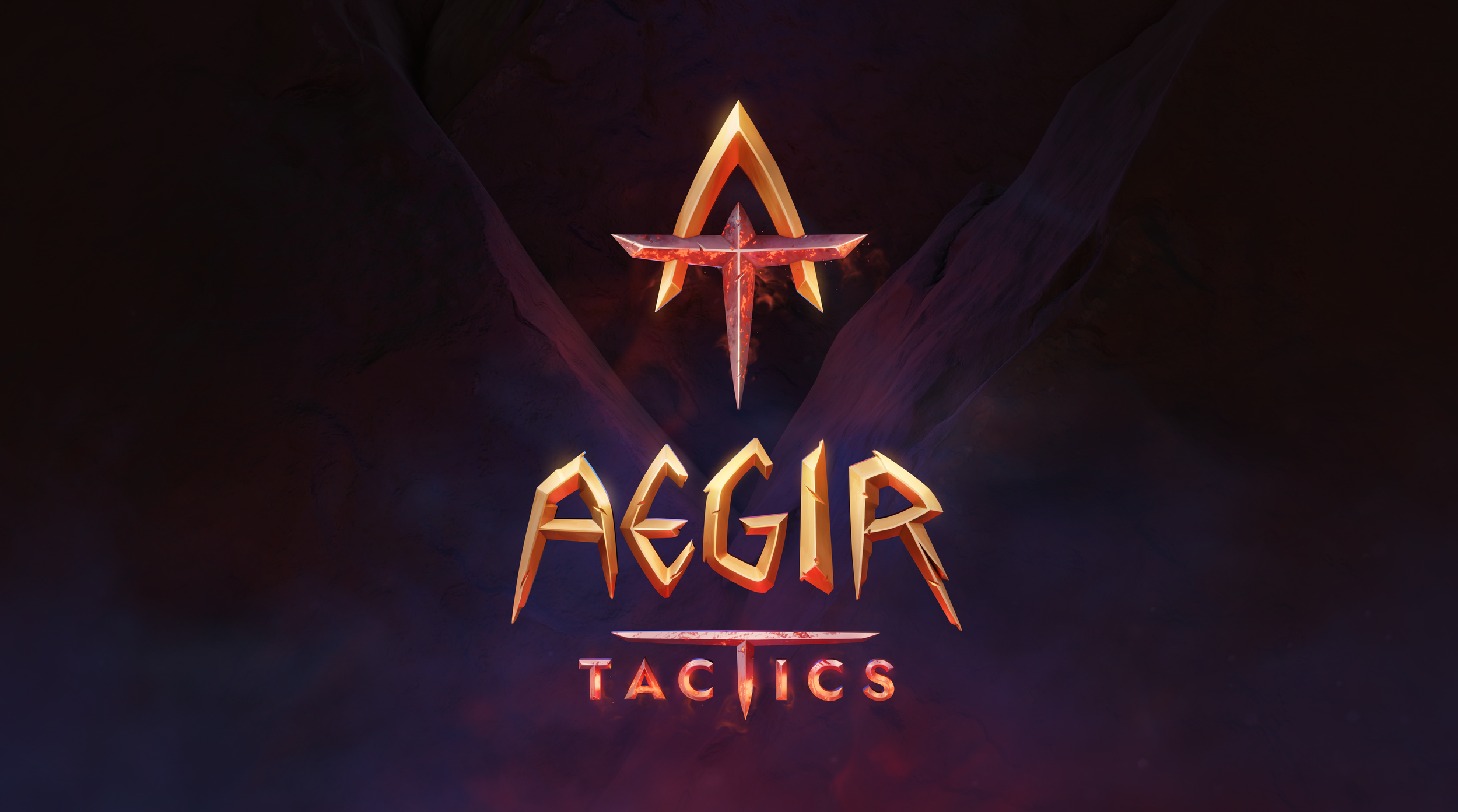
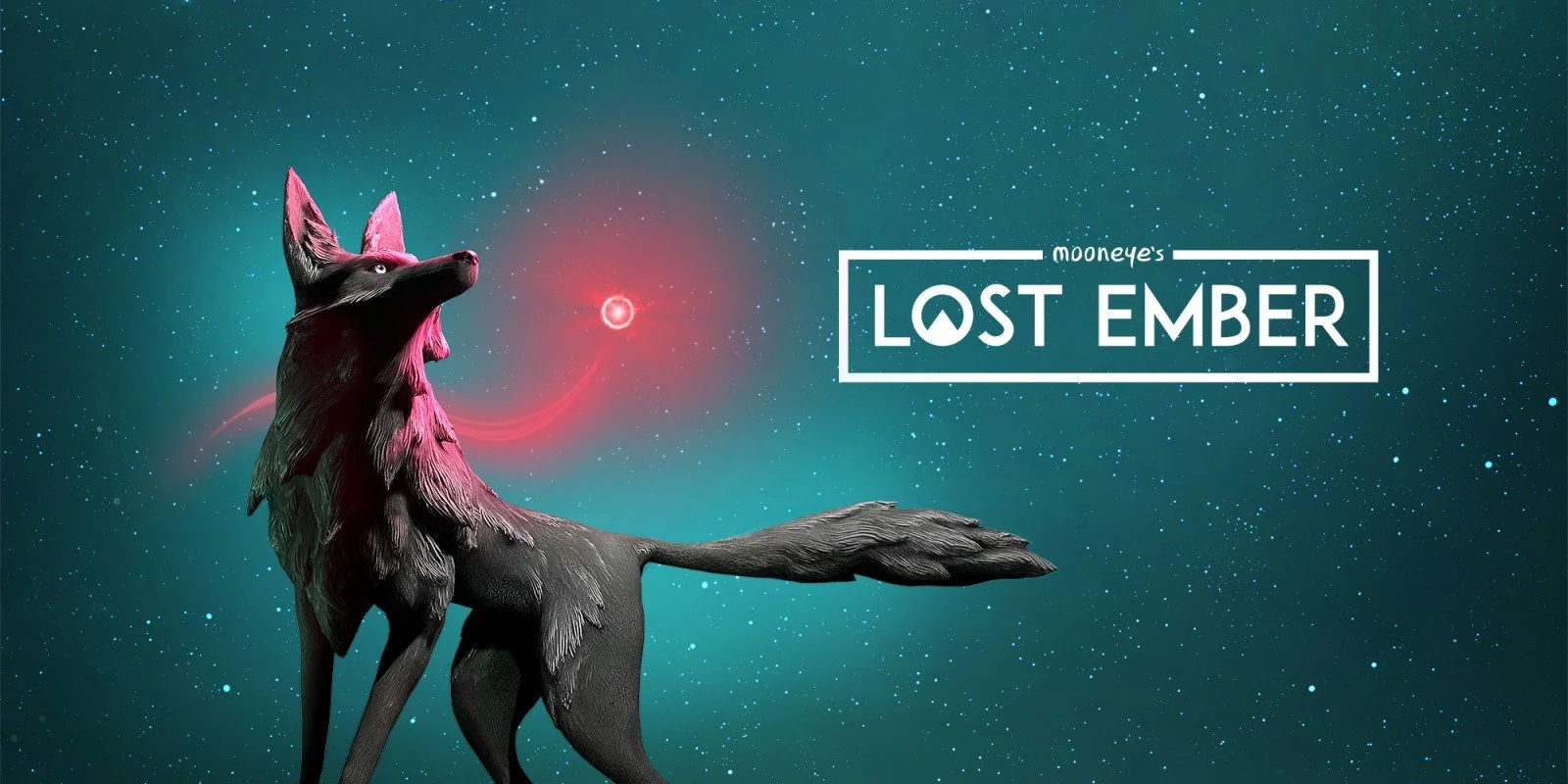
A game logo is often the first serious signal of quality.
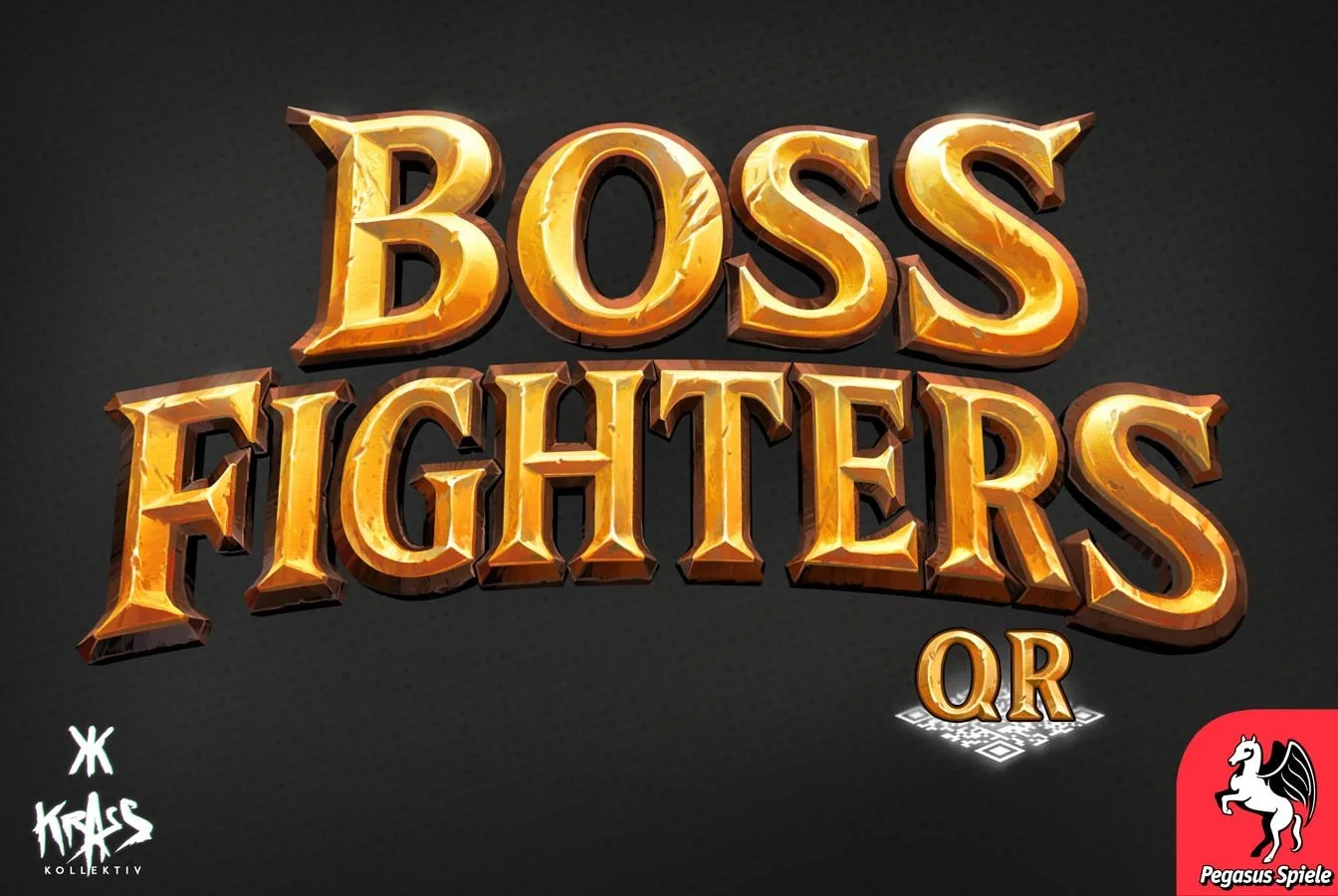
It appears on your Steam page, trailer, pitch deck, key art, social posts, press material, and possibly for years across updates, expansions, and community content.
We design logos that fit the tone, genre, and visual identity of the game - from bold and readable to atmospheric, handcrafted, stylized, premium, or playful.
A strong logo should not just look nice. It should make the game feel more real.
UI Design

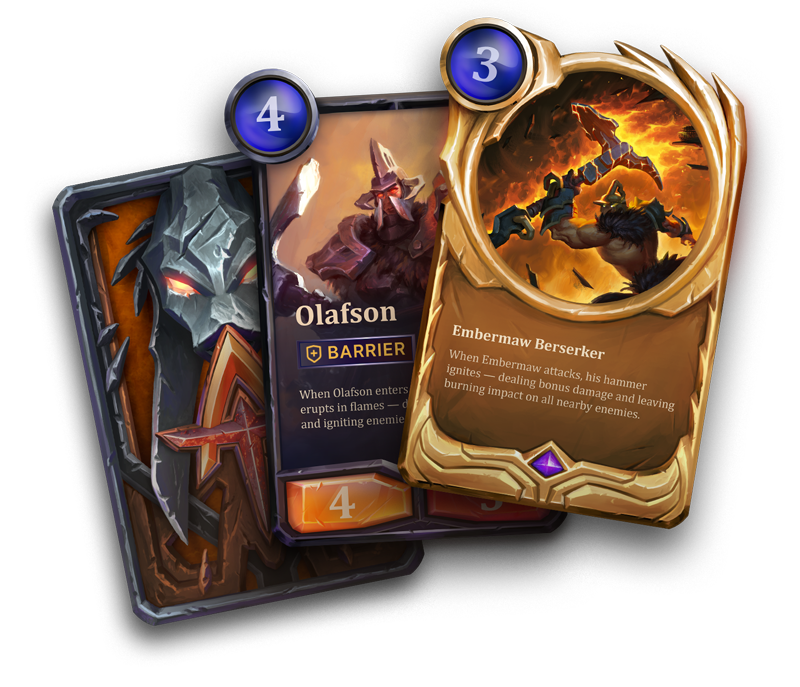
Good UI should not fight for attention. It should guide the player, clarify decisions, and feel like a natural part of the game world.
We design HUDs, menus, inventory systems, skill trees, progression maps, health bars, cooldown indicators, status effects, buttons, pop-ups, tooltips, mission briefings, achievement screens, and other interactive interface elements.
The goal is simple: players should always know what matters, what changed, and what they can do next - without the UI breaking immersion.
Graphic Design & Marketing Assets

A game does not only need to look good in-game. It also needs to present well outside the game.
We create supporting graphic assets for Steam capsules, store pages, pitch decks, trailers, announcements, social media, press kits, icons, badges, overlays, websites and campaign visuals.
This helps your project appear consistent, intentional, and production-ready across every touchpoint - whether you are showing it to players, publishers, investors, or the press.
Why this matters
Many games do not lose attention because the idea is bad.
They lose attention because the visual presentation does not create enough trust fast enough.
That is where we come in…